Home › Commercial Asphalt Resurfacing & Overlays
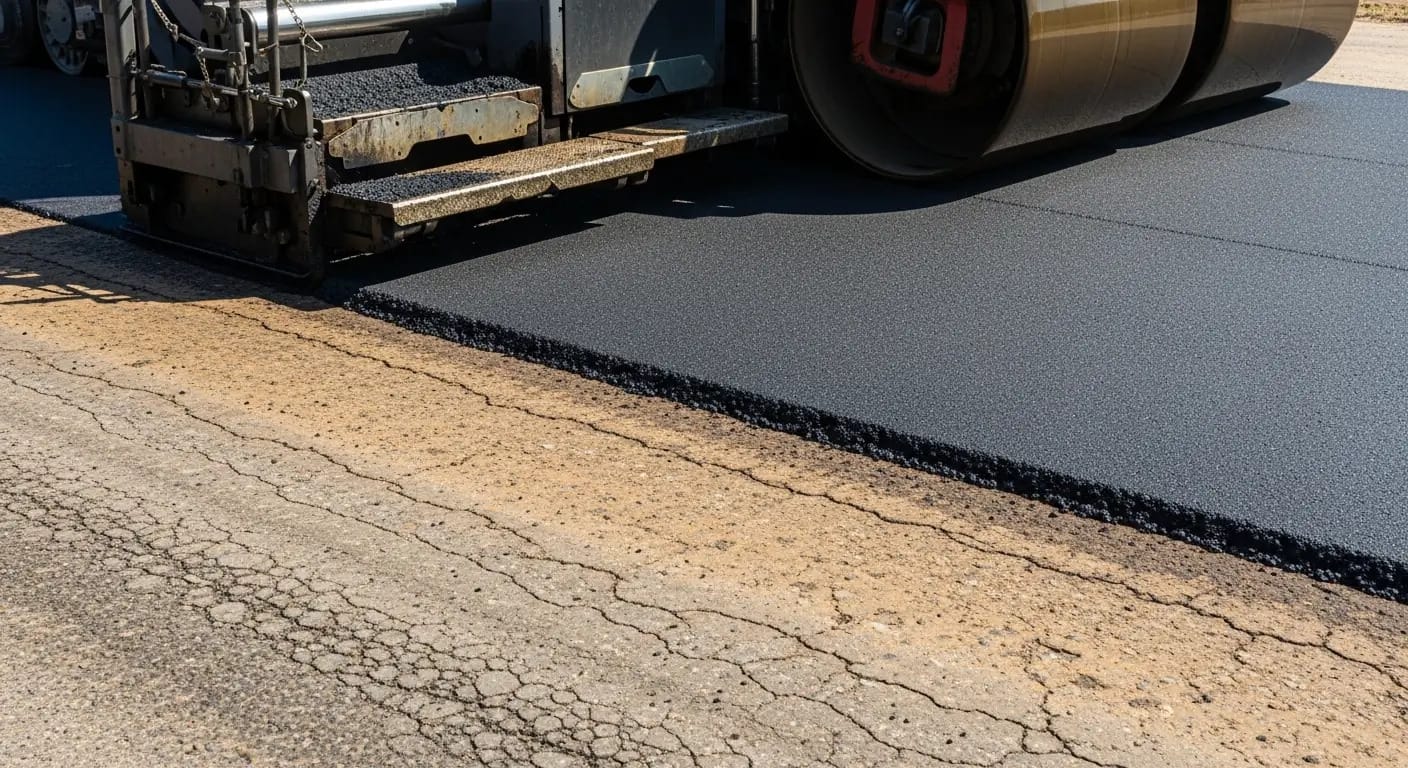
Upgrade aging pavement with commercial asphalt resurfacing in Dearborn, MI. We mill or clean existing lots and apply fresh overlays to create a like new surface with less cost than full reconstruction. Improve ride quality and appearance for your business with minimal downtime.
Precision Asphalt Detroit provides professional commercial asphalt resurfacing throughout Dearborn, MI, Michigan and the surrounding area. Our licensed, insured crew delivers safe, clean, on-time work with a free estimate before anything begins. Call (313) 889-7046 or request your free quote.
Commercial Asphalt Resurfacing for Dearborn Businesses
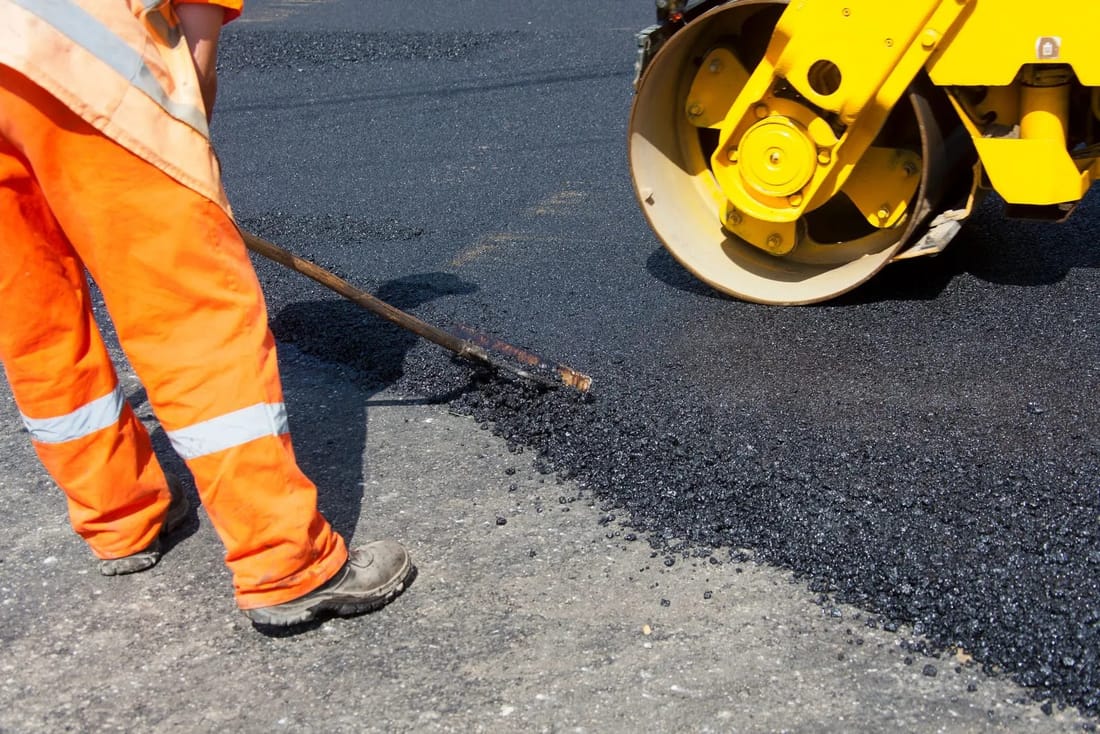
Commercial asphalt resurfacing is often the most cost-effective way to restore a worn parking lot or private roadway in Dearborn without tearing everything out. Precision Asphalt Detroit focuses on resurfacing and overlays for busy commercial properties like shopping centers, apartment complexes, medical offices, industrial sites, and churches.
In our area, freeze-thaw cycles, rock salt, and heavy traffic from delivery trucks and commuters break down asphalt more quickly than many owners expect. Cracks widen, potholes form, and striping fades, even if the base under your pavement is still solid. Resurfacing lets us correct these surface problems by installing a new asphalt layer that bonds to the existing pavement, which saves you money compared to full-depth reconstruction.
We schedule work around your hours so your customers and tenants can keep moving. That might mean phasing large lots over two or three evenings or working weekends so you keep critical access open. Every resurfacing plan is tailored to how your site actually operates, not just what is easiest for our crew.
How to Know if Resurfacing or Overlays Are Right for Your Lot
Not every broken parking lot in Dearborn needs to be completely replaced. Precision Asphalt Detroit starts with a site visit to decide if commercial asphalt resurfacing is appropriate or if you are better off with full reconstruction.
Resurfacing is usually a good fit when: (1) the asphalt has widespread cracking or raveling but only limited areas of deep base failure, (2) potholes are mostly shallow and not linked to major sinkage, and (3) drainage is generally working and water is not pooling in large areas. If we can correct isolated weak sections and adjust elevations with the overlay, resurfacing can give you a long service life at a lower cost.
On the other hand, if we see extensive alligator cracking, soft or pumping subgrade, or chronic standing water that does not drain even a day after rain, we will tell you honestly that resurfacing alone will not solve the problem. In those cases, milling and full-depth repair or reconstruction are better long-term investments. Our goal is to match the method to the pavement condition so you are not paying twice for the same area a few years later.
Our Step-by-Step Commercial Asphalt Resurfacing Process
Commercial asphalt resurfacing and overlays follow a specific sequence that affects how good the finished surface looks and how well it performs. Precision Asphalt Detroit uses a detailed process designed around Southeast Michigan pavement conditions.
1. Evaluation and measurements. We start by walking the site with you, noting traffic patterns, truck routes, drainage issues, and problem spots. We measure the lot and mark off areas that need deeper repair so the overlay has a solid foundation.
2. Cleaning and preparation. Before any new asphalt goes down, we power sweep, blow off, and in some cases pressure wash the surface to remove dirt, loose aggregate, and vegetation. Oil spots are treated or cut out so they do not interfere with bonding.
3. Milling and patching. We mill down at transitions like garage entrances, loading docks, sidewalks, and street tie-ins so the final surface matches existing elevations without creating trip edges. Broken sections are saw cut, excavated, and patched with new hot mix asphalt placed and compacted to match the surrounding grade.
4. Leveling course and overlay. If the lot has birdbaths or rutting, we install a leveling course to even out low spots first. Then we place the main overlay at the agreed thickness, typically between 1.5 and 2 inches for most commercial parking areas, using commercial-grade hot mix suitable for our Dearborn climate.
5. Compaction and joints. Steel drum and pneumatic rollers compact the new asphalt to the proper density. We pay close attention to joints at concrete approaches, catch basins, and previous patches to create smooth transitions that will not crumble under plow blades.
6. Final touches. After cooling, we handle pavement markings, signage, and any bumper block reset so the site is ready for traffic and clearly organized.
Material Choices and Overlay Design Options
Not every commercial asphalt resurfacing project in Dearborn needs the same materials. Precision Asphalt Detroit helps you choose an overlay design that fits how your property is actually used.
For standard car parking areas, a 1.5 to 2 inch surface course of dense graded hot mix is often sufficient. This gives you a smooth surface, good ride quality, and solid resistance to typical passenger vehicle traffic. For apartment complexes or medical offices with steady but lighter traffic, a slightly thinner overlay in certain interior aisles can sometimes be used to manage costs without sacrificing performance.
Where trash trucks, delivery vehicles, or semis turn or stop, such as near dumpsters, loading docks, and rear service drives, we usually recommend thicker overlays or base repairs before resurfacing. In those areas we may add 0.5 to 1 inch of extra asphalt to resist rutting and shoving.
We can also incorporate bond coats and tack coats specifically formulated for overlays. These sprayed liquids create a strong connection between the old pavement and new asphalt, which is especially important in Dearborn where temperature swings try to separate those layers. If you want added skid resistance, we can adjust the surface aggregate size and finish rolling pattern to improve traction without making the lot rough or noisy.
Cost Factors for Commercial Asphalt Resurfacing in Dearborn
The cost of commercial asphalt resurfacing varies from site to site, even within the same neighborhood. Precision Asphalt Detroit explains the main drivers up front so you can budget accurately.
Key factors include: (1) overall square footage and shape of the lot, (2) thickness of the overlay, (3) amount of milling needed at curbs, entrances, and drains, (4) number and size of base repairs before resurfacing, and (5) traffic control requirements and phasing. A large, open rectangular lot with few islands is less expensive per square foot than a small, irregular lot with many curbs and landscaped islands that require handwork.
Local conditions also matter. Dearborn properties that have seen decades of road salt at entrances or have repeated utility cuts will usually require more patching. Lots with poor drainage may need catch basin repairs, new structures, or regrading in select areas to prevent water from undermining the new overlay.
Timing can influence price as well. Planning work during warmer months allows better compaction windows and sometimes more flexible scheduling. However, we routinely complete resurfacing projects in the shoulder seasons by adjusting mix temperatures and rolling patterns, which is common for business owners who need work completed between fiscal years.
Common Local Pavement Problems and How We Address Them
Dearborn commercial lots see a mix of challenges from weather, traffic, and age. Precision Asphalt Detroit has resurfaced properties near Ford facilities, neighborhood shopping strips, and office parks, and we see some recurring issues.
Frequent freeze-thaw cycles open up small cracks into wider gaps that let water reach the base. If not handled before an overlay, those cracks can reflect back through the new surface. Before resurfacing, we clean and fill suitable cracks and, where necessary, install fabric or grid reinforcement in high-movement areas to slow reflective cracking.
Another common issue is standing water, especially around older catch basins or in the wheel paths where cars and delivery trucks constantly travel. During planning we shoot grades with a laser to find low spots, then use a leveling course or localized milling to reshape the surface so water drains. Correcting drainage during resurfacing is one of the best ways to extend the life of the new overlay.
Snow plowing can also damage weak edges and joints. We aim for clean, well-compacted joints at curbs and along concrete approaches so plow blades ride over, instead of catching and tearing the asphalt. If your property has a history of edge crumbling, we may suggest widening or reinforcing the pavement at those locations during the resurfacing project.
What to Expect When You Hire Precision Asphalt Detroit
Commercial asphalt resurfacing only works smoothly when everyone on site knows what is happening and when. Precision Asphalt Detroit lays out a simple plan so your Dearborn business can keep operating.
Before we start, we provide a written scope that shows which areas will be milled, patched, or resurfaced, and which days each phase will occur. For multi-tenant sites, we can supply simple notices for you to share with tenants and can coordinate with property managers so towing and access control go as planned.
On paving days, we block off work zones, post clear barricades, and maintain safe pedestrian paths to building entrances. Our crews clean up debris daily and keep emergency access open at all times. After paving, we let you know when the surface can handle foot traffic and when vehicle traffic can return, which is typically within 24 hours for most overlays depending on temperature.
After the job is complete, we walk the site with you to confirm drainage, joints, and striping are as planned. We also review basic maintenance steps, like when to schedule the first sealcoat, how to manage deicing products, and what early signs of distress to watch for, so your new overlay delivers the longest possible service life.