Home › Gravel-to-Asphalt Conversions
Tired of ruts and dust from a gravel drive Use our gravel to asphalt driveway service in Dearborn, MI to upgrade to a clean, solid surface. We rebuild the base as needed and add quality asphalt so your vehicles and guests enjoy smoother, low maintenance access.
Precision Asphalt Detroit provides professional gravel to asphalt driveway throughout Dearborn, MI, Michigan and the surrounding area. Our licensed, insured crew delivers safe, clean, on-time work with a free estimate before anything begins. Call (313) 889-7046 or request your free quote.
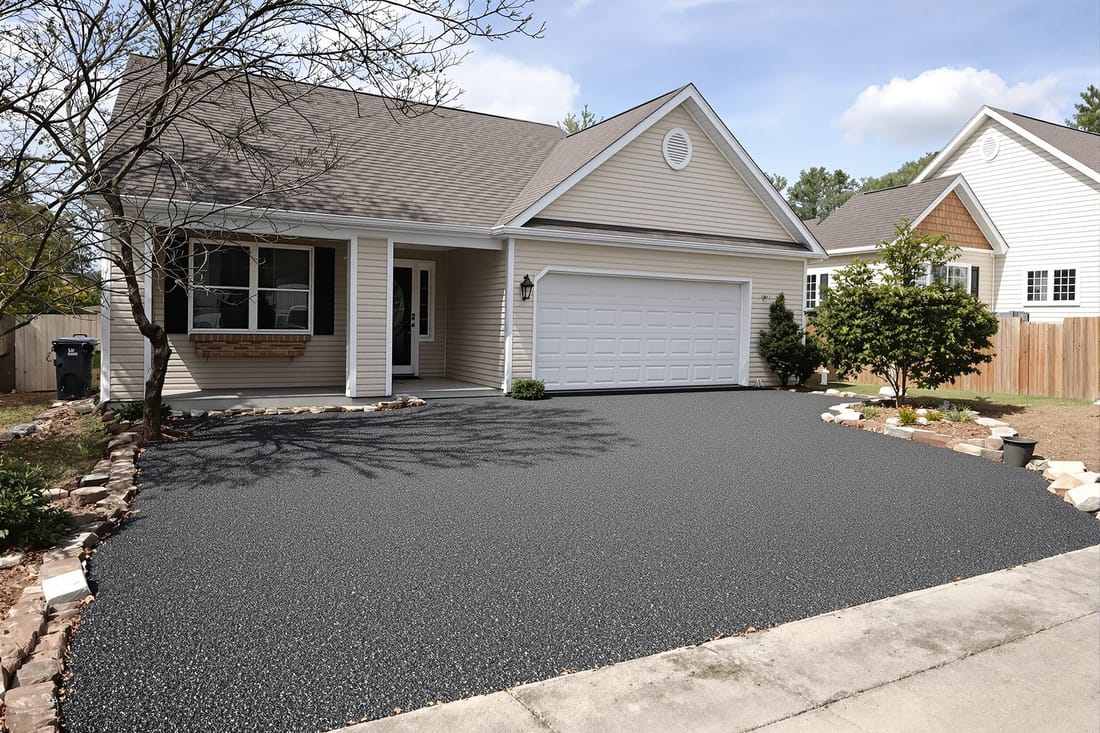
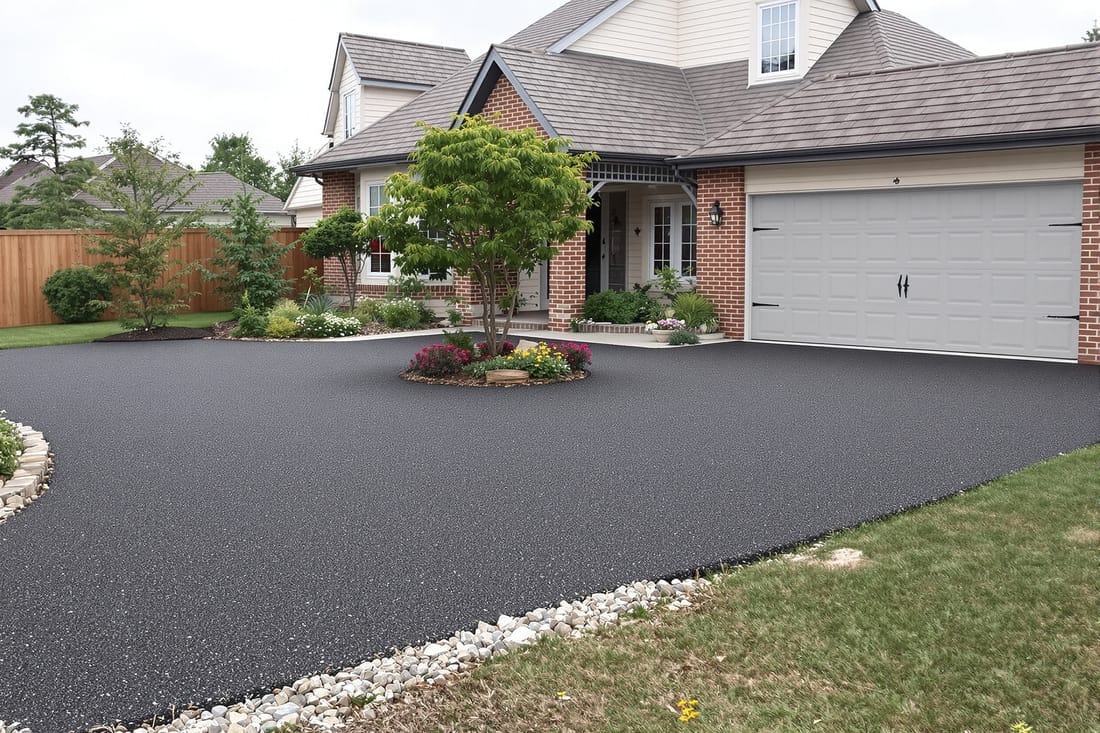
Turn Your Gravel Driveway Into Durable Asphalt in Dearborn
If you are tired of tracking stones into the garage and dealing with ruts every spring, converting your gravel to asphalt is a straightforward way to upgrade both function and curb appeal. Precision Asphalt Detroit specializes in gravel to asphalt driveway projects in Dearborn and nearby communities, so we know how local soil, drainage, and freeze-thaw cycles affect your driveway long term.
Our work starts with a site visit, not a guess over the phone. We check the thickness and condition of your existing gravel base, how water currently drains, and where the driveway meets streets, alleys, or sidewalks. In Dearborn, many older gravel drives have thin or mixed bases that cannot support asphalt until they are rebuilt. Identifying that early is the difference between a driveway that lasts one winter and one that lasts 15 or more years.
When you work with Precision Asphalt Detroit, you get a clear explanation of what it will take to bring your gravel surface up to asphalt standards. That might mean regrading low spots near the alley, adding compacted limestone where the base is weak, or tying into city concrete approaches so you are not left with a bump at the end of the drive. We avoid vague promises and tell you exactly what we will do before you sign anything.
How We Convert Gravel To Asphalt Step By Step
A solid gravel to asphalt driveway in Dearborn is built from the ground up. Here is how Precision Asphalt Detroit handles a typical conversion.
1) Evaluation and layout. We mark the exact driveway area, note property lines, overhead wires, and fences, and confirm with you if any widening, turnouts, or parking pads are being added. Small layout changes at this stage can save money and headaches later.
2) Base repair and enhancement. We scarify and rework the existing gravel with heavy equipment, then add new crushed limestone or recycled concrete as needed. The goal is a uniform, compacted base at the right thickness, usually 6 to 10 inches for residential driveways depending on soil and expected traffic. In parts of Dearborn with softer soils or heavy pickup traffic, we may recommend the higher end of that range.
3) Grading and drainage. Using laser or string-line controls, we create a slight crown or cross slope so water runs off the driveway instead of sitting on it. We pay special attention where your drive meets garages, side doors, and city sidewalks to make sure water does not run toward your house or neighbor. If your current gravel drive washes out in thunderstorms, we fix that pattern in the grading plan.
4) Compaction. We compact the base with vibratory rollers in multiple passes. If the stone pumps under the roller, that tells us we need more material or additional rolling. This step is usually skipped in quick, low-cost jobs, but it is what prevents future dips and potholes.
5) Asphalt paving. Once the base passes inspection, we install hot mix asphalt to the thickness agreed in your proposal, often 2 lifts for better strength and smoothness. Seams are overlapped and carefully rolled so you do not feel ridges when you drive on it.
6) Edges and tie-ins. We handwork edges along lawns, garden beds, and existing concrete, so there is a clean line instead of loose, jagged ends. At the street or alley, we match elevation to avoid a lip that can catch plow blades or cause tire impact.
Material Choices And Design Options For Your New Asphalt Driveway
Even though it starts as a gravel to asphalt driveway project, you still have choices in how the finished drive looks and performs. Precision Asphalt Detroit talks through these choices with you before we schedule the job.
Asphalt mix and thickness. Most Dearborn homeowners use a standard residential hot mix that balances cost and durability. If you store trailers, work trucks, or heavy equipment on the driveway, we may recommend a heavier-duty mix or added thickness. For example, a simple two-car residential drive with cars only may use a 3 inch mat, while a shared or commercial-style drive might need 4 inches or more.
Driveway width and parking pads. Converting from gravel is the ideal time to correct a too-narrow approach or add a parking area next to a garage. Because we are already working on the base, widening is usually more cost-effective now than later. We can taper the new asphalt back into existing gravel or lawn so it looks intentional, not like a patch.
Edges and transitions. In many Dearborn neighborhoods, driveways meet older city sidewalks and concrete approaches. We match these heights and joints carefully, especially where snowplows and garbage trucks pass. You can choose a clean straight edge along the lawn or a slight flare near the street to make turning in easier.
Surface appearance. Standard asphalt is black and smooth, but the finish can vary slightly depending on the mix and roller work. If you care about a fine, uniform look at the entrance, we leave extra time for handwork and fine grading at the visible edges. You can also plan future sealcoating to darken and even out the appearance once the pavement has cured.
What Affects Cost In A Gravel To Asphalt Conversion
Two gravel to asphalt driveway projects on the same street can be priced very differently. Precision Asphalt Detroit breaks down your cost so you know exactly where your money is going instead of seeing a single unexplained number.
Base work. This is usually the biggest variable. A driveway that already has 8 inches of clean, compactable gravel will cost less to convert than one with 3 inches of mixed stone and dirt. If we have to excavate soft spots, haul in new aggregate, and compact in layers, the cost for base preparation increases, but so does the life of your driveway.
Access and layout. Long, narrow drives that run alongside houses, or rear-alley drives that require smaller equipment, can take more labor and time than straight open runs. Tight access behind older Dearborn homes often means more handwork around garages and fences.
Thickness and size. More square footage and thicker asphalt both mean more material and more roller time. That said, undersizing thickness to save a small amount today can shorten the life of the driveway by years. We will show you price differences for realistic thickness options so you can choose based on how you use the drive.
Drainage fixes and extras. Adding a small swale, minor regrading of the yard edge, or adjusting downspout discharge away from the new driveway can add cost, but often prevents future edge damage and heaving. If you want concrete borders, curb cuts, or an apron at the street, those get priced separately so you can clearly decide what is worth it.
Timing and season. Early spring and late fall work may require extra attention due to temperature and moisture, sometimes including additives or tighter scheduling around rain. In some cases, delaying a project into warmer, stable weather is a better value than rushing it, and we will tell you when that is the case.
Common Problems With Gravel Driveways And How Conversion Solves Them
Homeowners in Dearborn call Precision Asphalt Detroit about gravel to asphalt driveway projects for the same recurring reasons. The gravel develops deep ruts, dust coats parked cars, mud tracks into the garage, or winter plowing scrapes half the stone into the street.
Ruts and potholes. Gravel shifts under repeated tire paths, especially when the base is thin or the soil below is soft. You can keep adding stone, but without compaction and a bound surface, the problem returns. Our conversion process strengthens the base and caps it with asphalt so the load is spread and the surface stays intact.
Drainage washouts. When heavy summer storms hit, you may see channels forming in your gravel where the water runs. As part of the conversion, we reshape the base to direct water off the driveway into grass or other safe areas, then install asphalt that sheds water instead of letting it cut through the surface.
Dust and tracking. Gravel drives kick up dust that settles on siding and vehicles, and small stones get carried into garages and onto sidewalks. A paved surface eliminates the loose aggregate at the top and reduces tracking significantly. You still get traction and a firm surface, but without the constant sweeping.
Snow and ice control. Plowing a gravel drive is tricky because the blade can dig into the stone. With asphalt, plows and snow blowers can clear to the surface without tearing it apart, especially when the drive has a proper crown or cross slope that does not let meltwater sit and refreeze.
We are honest about what asphalt will not fix. If heavy trucks repeatedly drive over the edge of the driveway into soft soil, or if downspouts dump large volumes of water at one corner, you will still need to manage that usage and drainage to protect the new surface. We point out these issues during the estimate so you can address them, instead of letting them shorten the life of the new driveway.
What Dearborn Homeowners Should Know Before Hiring A Paving Contractor
Converting a gravel driveway to asphalt is a permanent change, so it is worth taking a few extra steps before you sign a contract. Precision Asphalt Detroit encourages customers to ask questions and compare proposals line by line.
Ask how the contractor will handle the base. If the estimate does not mention base thickness, compaction methods, or what happens if soft spots are uncovered during work, that is a red flag. A low price that ignores base repair usually means a short-lived drive.
Check local familiarity. Dearborn has a mix of clay and fill soils, plus many narrow side-drive layouts and alley access. A company that regularly works here knows the typical problem areas, including where city sidewalks or curbs must be matched to avoid water pooling. We work within local standards and coordinate with you if permits or city inspections are needed.
Clarify thickness and materials in writing. Your proposal should state planned asphalt thickness, number of lifts, and type of base material. If these are not written down, they are easy to cut on site. We list those details clearly and encourage you to keep a copy with your home records.
Discuss timing and traffic. Fresh asphalt needs time to cool and harden. For most gravel to asphalt driveway projects, we recommend keeping vehicles off for 2 to 3 days in warm weather and being gentle with tight turning for the first couple of weeks. We schedule around your access needs as much as possible and explain how to care for the new surface in the first season.
Finally, ask to see similar projects. We can point you to completed gravel to asphalt conversions in Dearborn so you can see how layouts, edges, and tie-ins look in real neighborhoods. Seeing real driveways, not just photos, helps you decide what you want at your own property.